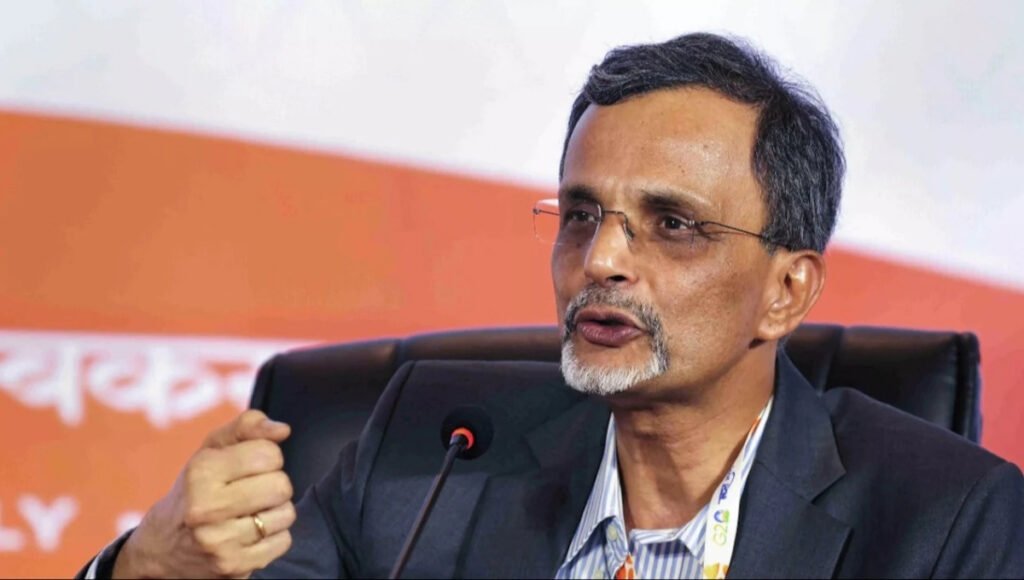
Global Crisis: Just as the world was slowly recovering from the pandemic, a new concern has emerged. The latest warning from India’s Chief Economic Advisor, V. Anantha Nageswaran, has raised serious questions about the global economy.
He states that there is a 10 to 20 percent chance of a global economic recession similar to that of 2008 occurring in 2026. This statement comes at a time when the world is already grappling with geopolitical tensions, trade disputes, and economic uncertainties.
2026 Could Be Similar to 2025, But the Threat Remains
According to the Economic Survey, the best-case scenario is that conditions in 2026 will remain largely similar to those of 2025. That is, the world will remain interconnected, but internally weak and unstable.
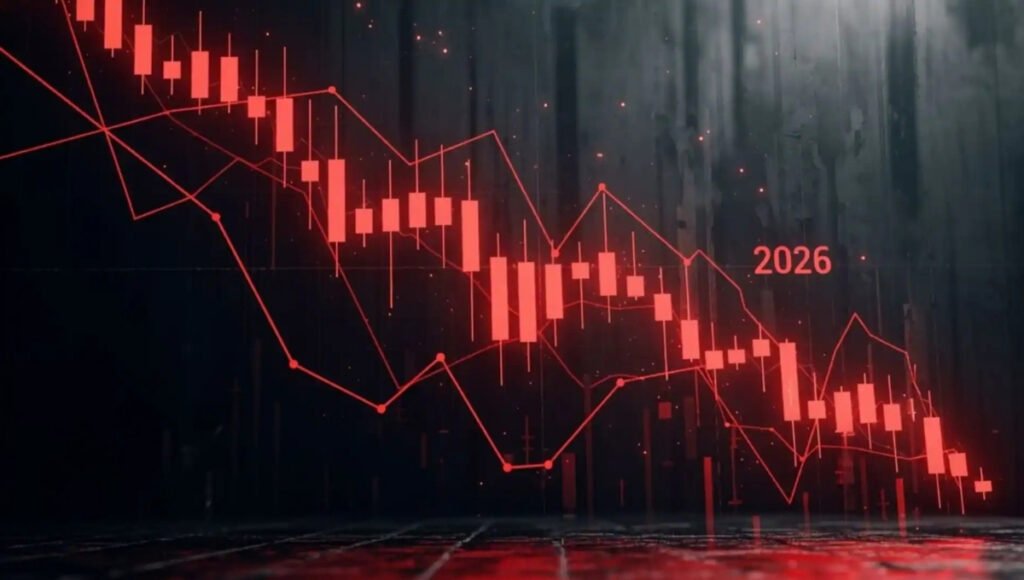
The Chief Economic Advisor has estimated the probability of this scenario at around 40 to 45 percent. This means that global trade will continue, but confidence will remain weak and uncertainty will persist, potentially impacting investment and growth rates.
Increased Conflict Between Countries Possible
The survey also suggests another possible scenario: a deepening of strategic conflicts between countries. Trade relations could become more strained, and the use of sanctions could increase.
In such a situation, global cooperation would weaken, and financial stress could spread rapidly from one country to another. This situation would not be entirely catastrophic, but it could significantly harm the global economy.
Risk of a Crisis Even Bigger Than 2008
The Economic Survey has issued a clear warning regarding the most serious scenario. It states that there is a 10 to 20 percent chance that financial, technological, and geopolitical tensions could converge simultaneously.
If this happens, the consequences could be even more dangerous than the 2008 global economic recession. Like that period, the banking system, trade, and employment could be severely affected.
India’s Position is Better, But Not Completely Safe
The report also offers some reassurance, stating that India’s economic situation is stronger than that of many other countries. Strong domestic demand, sound policies, and a stable economic framework provide India with a degree of protection.
However, it has been made clear that India is not entirely immune. If a global recession occurs, it will inevitably impact India’s growth.
Caution is necessary going forward
Although the government has projected GDP growth of 6.8 to 7.2 percent for the fiscal year 2027, it has also acknowledged that this pace could slow down if global conditions deteriorate. Therefore, policymakers, businesses, and investors all need to remain vigilant. The coming period may bring both opportunities and challenges.
Disclaimer: This article is based on the Economic Survey and publicly available information. The information provided should not be considered investment or financial advice. It is essential to seek expert advice before making any financial decisions.
Also read:
SBI Special Scheme: Get a Loan Up to ₹5 Lakh from Home SBI Latest Offer
Kisan Credit Card Scheme: Easy Loan for Farmers Documents and Application
PPF for Children: Avoid These 3 Mistakes or You May Lose Interest