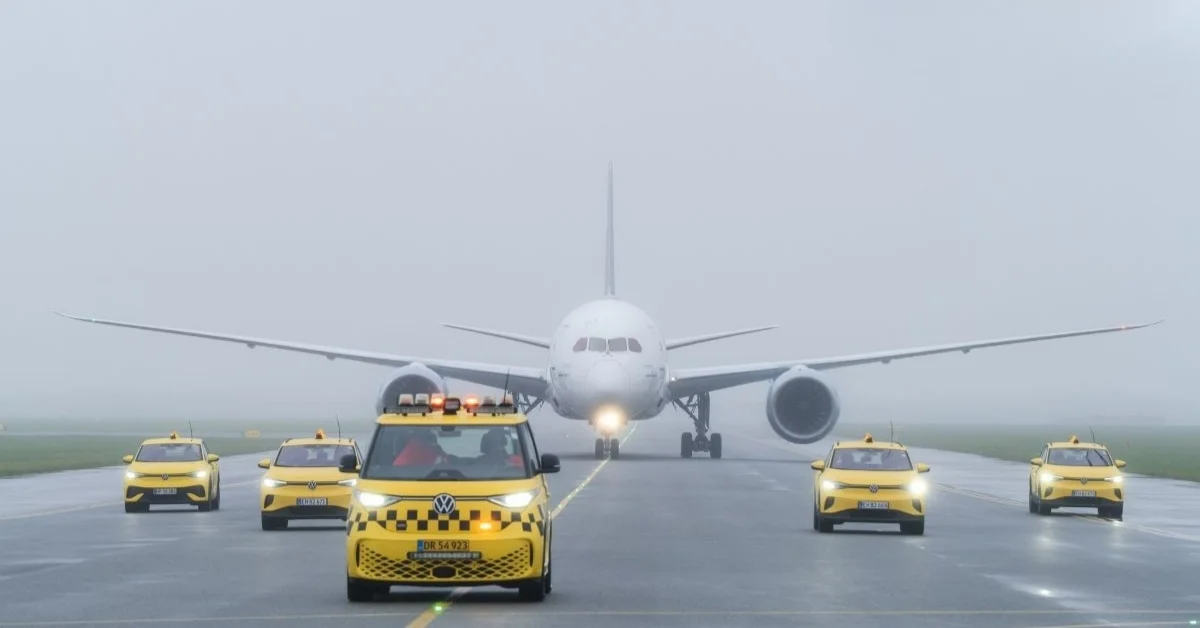
Indigo Crisis 2025: Sometimes, certain incidents don’t remain news; they strike a chord in the hearts of ordinary people. Last week, when thousands of passengers were stranded at airports across the country, it became clear that the issue isn’t just about flight cancellations, but rather a story of the breakdown of trust, order, and human expectations.
When options are visible, but in reality, there compulsion
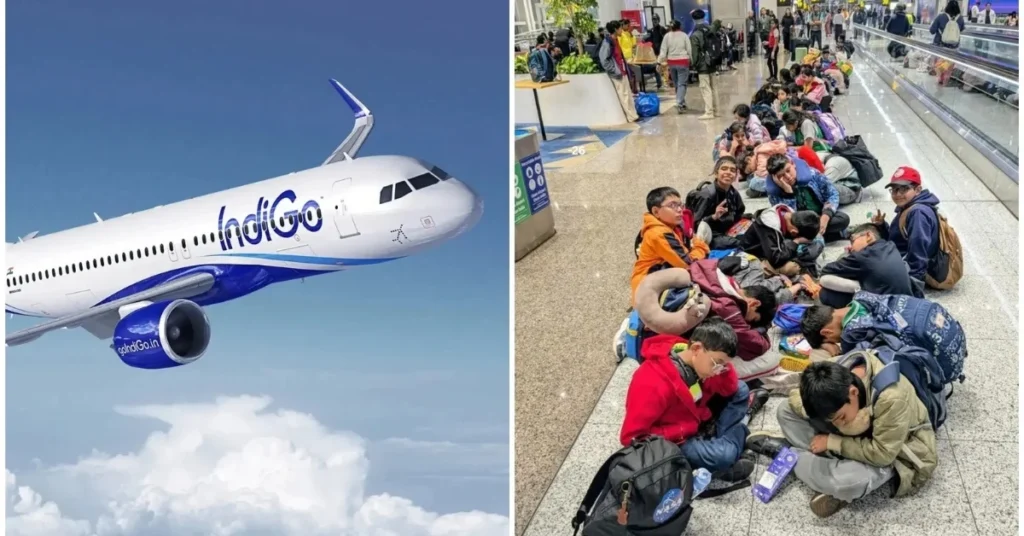
India’s aviation market has now narrowed to a handful of companies. From the outside, passengers perceive they have numerous options, but in reality, they are stuck within those limited companies. This is why, when a major airline falters, it impacts the entire system.
| Category | Details |
|---|---|
| Incident Name | Indigo Crisis |
| Affected Sector | Indian Civil Aviation |
| Airline Involved | IndiGo Airlines |
| Market Share | Around 63% Domestic Share |
| Total Flights Cancelled | More than 2,000 Flights |
| Duration of Disruption | 3 Consecutive Days |
| Estimated Passengers Affected | Over 1 Million Travelers |
| Government Action | Pilot Rest Rules Temporarily Rolled Back |
| Rule Duration Before Change | 18 Months Old Regulation |
| Passenger Impact | Weddings Missed, Events Cancelled, Stranded Travelers |
| International Impact | Foreign Diplomat Missed Wedding Event |
| Public Reaction | Nationwide Anger and Frustration |
| Core Issue Highlighted | Market Monopoly and Weak Accountability |
| Main Concern | Passenger Safety and System Failure |
IndiGo 63% Share and the Impact of Negligence
IndiGo is estimated to have a 63% share of the country’s domestic aviation market. Despite this significant responsibility, its operations collapsed last week. Over 2,000 flights had to be cancelled within three days. This wasn’t just a statistic, but the sudden halt to the plans of millions of lives.
The lives of over one million passengers were momentarily halted.
Cancelled flights don’t just mean a refund. They mean missing a wedding, not being able to reach a sick loved one on time, and leaving important work unfinished. For over one million passengers, these days proved to be filled with immense stress, anxiety, and mental exhaustion.
When airports became centers of anxiety and anger
During these three days, many of the country’s major airports resembled emergency camps. Stranded passengers, constantly changing announcements, people pleading for help, and staff helpless to respond. Tears were on many people’s faces, while anger simmered within others. This picture was a sign of concern for any civilized system.
Expectations from the government and questions raised about decisions
As the country was going through this crisis, all eyes were on the government. People assumed strict action would be taken and the guilty would be held accountable. However, the government immediately withdrew 18-month-old rules governing pilots’ rest. This decision raised many new questions.
A message of changing rules instead of fixing accountability
People were at a loss to understand why the rules were relaxed when the crisis was related to the airline’s operations. The general perception was that the government had caved in to a powerful company and eased the situation. This sent the message that the common man should not expect action against large companies.
When the inconvenience wasn’t limited to ordinary passengers
This crisis didn’t just affect ordinary passengers; its impact was felt internationally. A foreign diplomat couldn’t attend his employee’s wedding. In another, a newlywed couple attended their own reception online. These incidents demonstrate how deeply this crisis has impacted people’s lives.
This isn’t just the failure of one company, it’s the weakness of the entire system.
It would be a grave mistake to dismiss the IndiGo crisis as merely a technical error of one airline. This incident shows that warning signs were not taken seriously in time. Rules existed on paper, but they were not strictly enforced. This laxity later led to this major crisis.
Common man convenience or just profit that is the real question.
This entire incident has raised a serious question about who is running our aviation system? Is its priority solely to make profits, or is the common man’s convenience equally important? Until an honest answer to this question is found, such crises will continue to occur again and again.
If we don’t wake up now, the next crisis will be even worse
This is not the time to lament, but to take tough decisions. Along with compensating passengers for their losses and mental anguish, stricter regulations are necessary for the future. If we forget everything this time and move on, the next crisis will be even more devastating, and its impact will not be limited to flights alone.
FAQs
Q1. What is the Indigo Crisis referred to in this article?
Mass flight cancellations by IndiGo causing nationwide travel disruption chaos.
Q2. How many flights were cancelled during the Indigo Crisis?
Over two thousand flights were cancelled within three days nationwide.
Q3. How many passengers were affected by the crisis?
More than one million passengers faced delays cancellations across India.
Q4. Why did the crisis create such a big national impact?
IndiGo controls nearly sixty three percent domestic aviation market share.
Q5. What action did the government take during the Indigo Crisis?
Government temporarily rolled back eighteen month old pilot rest rules.
Disclaimer: This article is an original analysis based on available public information and events. The views expressed here do not represent the official opinions of any organization or government. Before taking any decision, please confirm the official information from the concerned authority.