UPI Fraud: Today, UPI has made our lives so easy that daily tasks feel incomplete without it. Whether it’s buying vegetables, ordering food online, or sending money to a friend, everything happens in seconds. But this habit of speed has also made us careless. We don’t think, we just click, and that’s where fraud begins.
Understanding the truth about collect requests is crucial
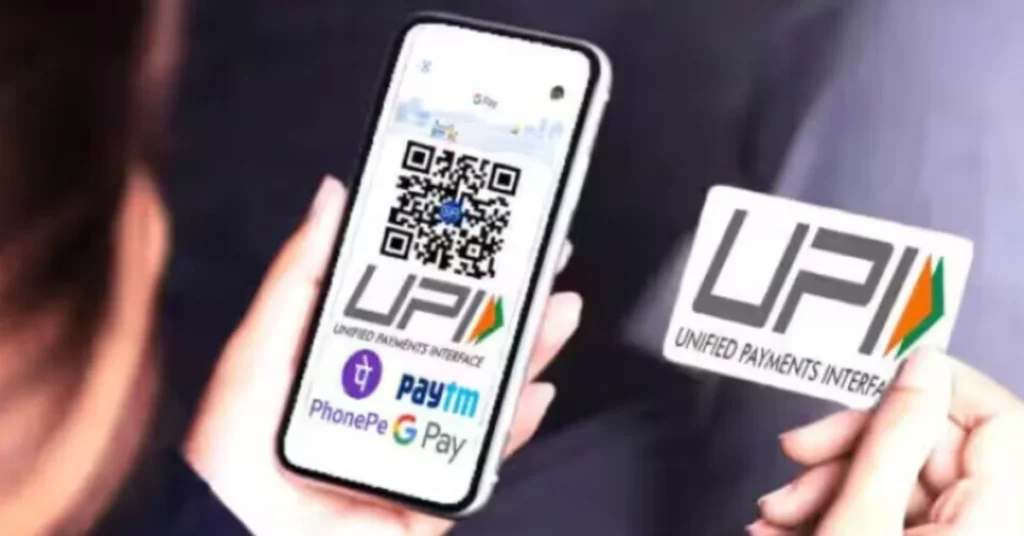
Many people still don’t understand that when someone sends you money, you don’t need to accept any request. Yet, a call comes, the person says they are sending money, just accept the request, and we press “Pay” without reading the screen. This one moment can steal a lifetime’s earnings.
| Risk Area | Common Mistake | What Actually Happens | Safe Practice |
|---|---|---|---|
| Collect Request | Accepting blindly | Money gets debited instead of credited | Always read before tapping Pay |
| Fake Customer Care | Sharing OTP or screen | Complete account access to fraudsters | Never share OTP, PIN or screen |
| QR Code Payment | Scanning without checking | Money goes to wrong account | Match the merchant name carefully |
| Fraud Messages | Clicking unknown links | Personal data and money get stolen | Ignore and delete such messages |
| Weak Digital Habits | Acting in hurry | Higher chance of getting trapped | Always pause and verify |
Fake customer care is the most dangerous trap
When there’s a problem with UPI, people hastily search for numbers on Google. Thieves are waiting there, posing as fake customer care representatives. They speak confidently, mention the bank’s name, and then ask for OTP, PIN, or screen sharing. Once you trust them, your entire account falls into their hands.
Pausing for a moment while scanning QR codes is essential
Every shop today has a QR code, and we scan it quickly without thinking. Sometimes, fraudsters stick fake QR codes over the real ones, which are difficult to identify. You think the money is going to the shopkeeper, but in reality, the amount goes into someone else’s account.
Messages and links promising rewards are the biggest threat
Every day, we receive messages on our phones offering rewards, refunds, and offers. These messages look very real, but in reality, they are the biggest traps. As soon as you open the link, your personal information is stolen, and then it doesn’t take long for your money to be withdrawn.
Strong digital habits are the real security
To avoid UPI fraud, a big system isn’t needed, but rather a little common sense. Reading the name before every payment, not sharing OTP and PIN with anyone, and avoiding unknown calls are very important. If everyone in the family adopts these habits, no matter how hard the fraudsters try, they will not succeed. Not speed, but prudence saves money.
Today, UPI has become a necessity, and avoiding it is impossible. However, using it correctly and safely is in our hands. If we pause and think carefully each time, we can avoid even the biggest frauds. The system itself is secure, but our mistakes are what provide the biggest opportunity for scammers.
FAQs
Q1. Is UPI safe for daily transactions?
Yes, UPI is secure when users follow basic safety rules.
Q2. Why do most UPI frauds happen?
Fraud happens mostly due to shared OTP, PIN, links mistakes.
Q3. What should I do after a UPI fraud?
Contact bank immediately, report cybercrime, and block UPI to respond.
Q4. Is scanning any QR code safe?
Check merchant name carefully before every QR payment confirmation screen.
Q5. Do banks ask for OTP or PIN on calls?
Never share OTP, PIN, or screen with callers at all.
Disclaimer: This article is for awareness and general information purposes only. The author or platform will not be responsible for any financial losses. In case of any suspicious bank calls, messages, or transactions, immediately contact your bank or the official helpline of the relevant UPI app.