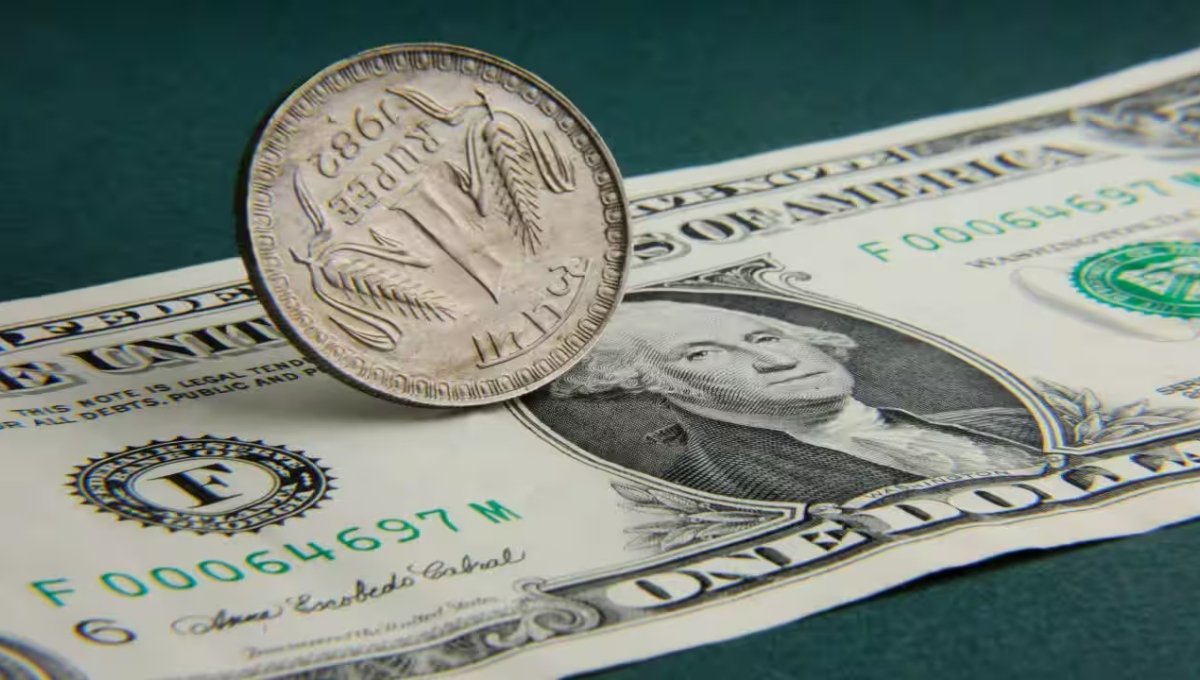
RBI Sells: If you’ve been keeping a close eye on the dollar-rupee exchange rate, November must have been quite surprising for you. Amidst the continuous weakening of the Indian rupee and the turmoil in global markets, the Reserve Bank of India (RBI) had to take a significant step.
The RBI sold approximately $9.71 billion in November to prevent further depreciation of the rupee. This decision wasn’t made suddenly; it was largely driven by the instability in international markets and the growing fear among investors.
Why did the rupee come under such pressure?
The Indian rupee faced considerable pressure in November. Uncertainty surrounding interest rates in the US, a strong dollar, and increasing tension in global markets were major contributing factors. Foreign investors also began withdrawing money from the Indian market during this period, further increasing the pressure on the rupee.

Whenever foreign investors withdraw large amounts of money, the demand for dollars increases, and the value of the rupee falls. In such situations, the RBI intervenes in the market by selling dollars to stabilize the rupee and prevent a sharp decline.
Why did the RBI have to intervene so significantly?
The rapid depreciation of the rupee in November prompted the RBI to take action. The central bank increased the supply of dollars in the market by selling approximately $9.71 billion, providing some relief to the rupee. This clearly indicates that the RBI wants to keep the rupee within a certain range and is trying to prevent a sudden fall.
Although the RBI typically doesn’t directly determine currency levels, it does intervene when there is significant market volatility to maintain confidence.
Global factors were the biggest reason
This entire episode wasn’t solely due to factors within India. Rising bond yields in the US, a strengthening dollar, and geopolitical tensions in various parts of the world put pressure on emerging markets. India was not immune to these effects.
When other currencies weaken against the dollar, investors flock to safer options. This directly impacted the Indian rupee, forcing the RBI to intervene.
What could happen next?
This action by the RBI shows that it is being extremely vigilant regarding the rupee. However, if global conditions remain unchanged, volatility may continue in the coming days. Investors are now keeping a close eye on US economic data, interest rates, and foreign investment trends.

If the situation improves, the rupee may find some relief, but if the pressure persists, the RBI may have to intervene in the market again.
Disclaimer: This article is for general informational purposes only. The information provided is based on various publicly available sources. This is not investment advice of any kind.
Always consult your financial advisor before making any decisions related to the stock market or currency. The author or platform will not be held responsible for any financial losses.
Also read:
CIBIL Score Check on Google Pay: Check Your Credit Score in One Click
CBSE Recruitment 2026: Apply for Senior Accounts Officer and Financial Advisor Posts
RRB Group D 2026 Registration Postponed: Apply for 22,000 Posts from Jan 31