
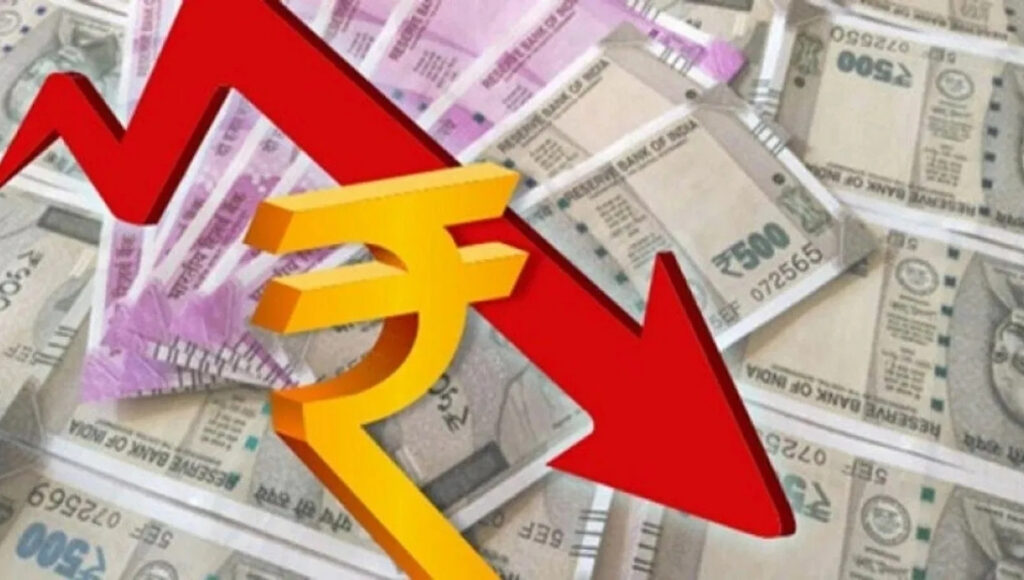
Sometimes market movements are so rapid that it’s difficult for ordinary people to understand why the rupee is moving up or down. On February 17th, the Indian Currency experienced some relief in the foreign exchange market, but its strength did not translate into a significant jump. The reason was a decline in crude oil prices and pressure from the strengthening dollar.
How did the rupee move during the day’s trading?
Indian Currency On Tuesday, the rupee opened at 90.72 per dollar in the interbank forex market. The previous trading day, it closed at 90.74, indicating a slight strengthening from the outset.

By the end of the day, the rupee improved slightly to close at 90.73 per dollar. While this gain may seem small, it is considered a sign of stability in the current market environment.
| Category | Details |
|---|---|
| Topic | Indian Rupee Market Update |
| Currency Movement | Rupee remains stable against US Dollar |
| Key Support Factor | Falling crude oil prices reduce import pressure |
| Market Sentiment | Cautious trading ahead of major US economic data |
| Impact of Oil Prices | Lower oil prices help improve India’s trade balance |
| Dollar Influence | Strong US dollar limits major rupee gains |
| Investor Focus | US inflation data, Fed policy signals, bond yields |
| RBI Role | Possible intervention to manage volatility if needed |
| Short-Term Outlook | Rupee expected to trade in narrow range |
| Affected Sectors | Importers, exporters, stock markets, forex traders |
Crude oil prices provided support
For an oil-importing country like India, a decline in crude oil prices always brings relief. Brent crude prices fell by about half a percent to around $68 per barrel. This raised hopes that the country’s import bill would reduce and foreign exchange pressure would ease. This is why the rupee found some support and avoided a decline.
Strong Dollar Hurdles Rupee’s Path
While crude oil provided relief, the strengthening of the US dollar prevented the rupee from rising further. The rise in the dollar index indicates that the US currency remains strong in the global market. In such an environment, it is natural for currencies of emerging economies to face pressure, and the rupee was no exception.
Stock Market Weakness and Impact of Foreign Investment
The domestic stock market witnessed weakness on Tuesday. Both the Sensex and Nifty remained under pressure, slightly denting investor confidence. Large withdrawals from the market by foreign institutional investors also added to the pressure on the rupee. When foreign capital flows out, demand for the dollar increases, impacting the local currency.
What’s the Market Looking Forward to?
The market is now focused on upcoming US economic data, especially GDP data. If the US economy shows strong signs, the dollar could strengthen further, putting pressure on the rupee again. However, if global conditions remain balanced, the rupee could stabilize.
FAQs
1. Why is the rupee stable despite global uncertainty?
Lower crude prices reduce import costs, helping support the rupee.
2. How do oil prices affect the Indian rupee?
India imports oil heavily, so falling prices strengthen the currency.
3. Why are markets watching US economic data closely?
US inflation and interest rates influence the dollar and global currencies.
4. Can RBI intervene if the rupee becomes volatile?
Yes, RBI may step in to stabilize excessive currency movements.
5. What is the short-term outlook for the rupee?
Rupee may trade within a narrow range until data releases.
Disclaimer: This article is based on available financial market information and public data. Currency market fluctuations are influenced by a number of economic and global factors. It is advisable to seek expert advice before making any investment or financial decisions.
Also read:
Bank of Baroda Peon Admit Card 2026 Out: Check Exam Date, Shift and Download Link
PF Withdrawal UPI Update: Employees May Soon Transfer PF Money Instantly
Atal Pension Yojana: Get ₹5,000 Monthly Pension with Small Investment Full Guide