Aadhaar Rules Change: Today, Aadhaar is no longer just an identity card; it has become an integral part of our daily lives. From banks to government schemes, Aadhaar is required everywhere. Therefore, any changes to Aadhaar rules directly impact ordinary citizens. Just before the new year 2026, UIDAI is going to make major changes to Aadhaar rules, aimed at making your identity even more secure.
Aadhaar Rules Change: What will change after December 31st?
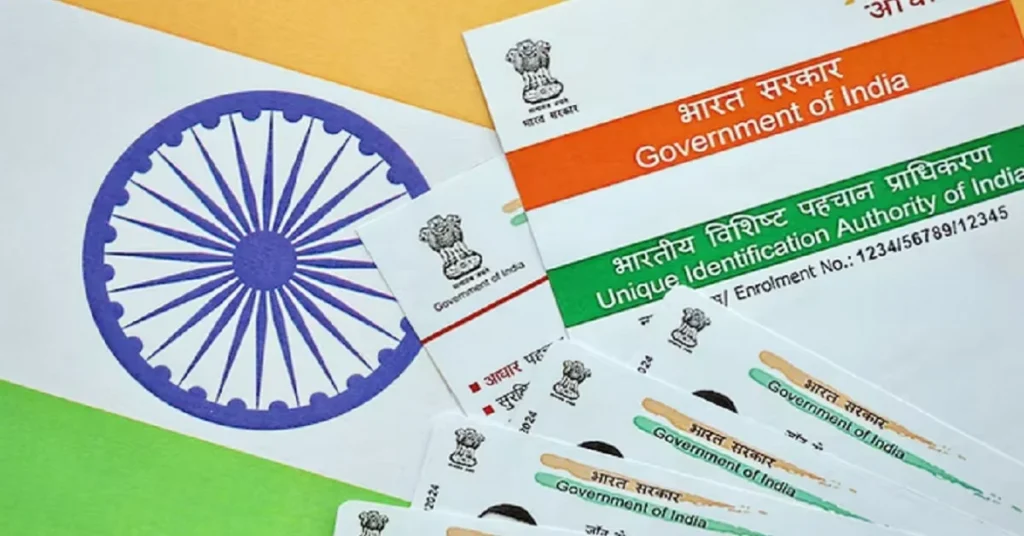
Aadhaar Rules Change: In the last days of December 2025, UIDAI’s entire focus is on digital security. Given the increasing incidents of Aadhaar data misuse and digital fraud, the rules are being tightened. After midnight on December 31st, several rules will come into effect that will directly change how you use your Aadhaar card.
| Change Area | What Was Earlier | New Rule After 31 December 2025 | Impact on Users |
|---|---|---|---|
| Aadhaar Card Design | Name and Aadhaar number printed on card | Only photo and secure QR code visible | Reduces misuse if card copy is leaked |
| Use of Aadhaar Photocopy | Physical photocopy widely accepted | Digital verification preferred | Better data protection and less fraud |
| Verification Method | OTP and biometric mainly used | Face authentication legally valid | Faster and more secure verification |
| PAN–Aadhaar Linking | Optional for many users | Mandatory before 31 Dec 2025 | PAN becomes inactive if not linked |
| Old Aadhaar Update | No strict update timeline | 10-year-old Aadhaar needs update | Avoids verification issues |
| Data Security Focus | Limited digital control | Stronger digital privacy rules | Personal data stays safer |
Why is the new Aadhaar card design special?
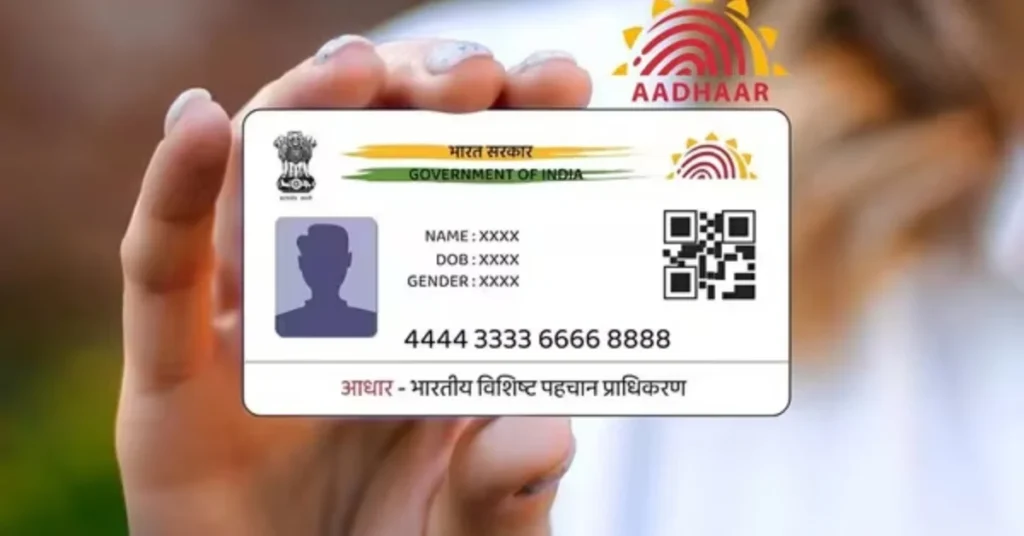
UIDAI implemented a new Aadhaar card design from December 1, 2025. This new card will only contain your photo and a secure QR code. Neither your name nor your Aadhaar number will be printed on it. The purpose is to prevent misuse even if a photocopy of the Aadhaar card falls into the wrong hands. UIDAI has set June 14, 2026, as the last date for updating to this new design. However, it has been clarified that the old Aadhaar cards will remain completely valid and there is no need to panic.
Discouraging photocopies, emphasizing digital verification
Aadhaar Rules Change: The new rules discourage providing physical photocopies of Aadhaar. UIDAI believes that most data leaks occur through photocopies. Therefore, QR code scanning, offline Aadhaar XML, and masked Aadhaar will now be prioritized for identity verification. This will keep your personal information more secure and reduce the risk of unnecessary data sharing.
Face authentication receives legal backing
Under the Digital Personal Data Protection Act, face authentication is now being given legal recognition. This means that Aadhaar verification through facial recognition will be considered completely valid. This method will prove to be more secure and convenient for banking services, government schemes, and other essential tasks. It will also significantly reduce fraud.
Failure to link Aadhaar and PAN can lead to major problems
The last date for linking Aadhaar and PAN is December 31, 2025. If PAN is not linked to Aadhaar by this date, the PAN will become inactive from January 1, 2026. This will affect filing income tax returns, receiving tax refunds, and various financial transactions. In short, a small oversight can lead to major problems in the future.
Why is updating 10-year-old Aadhaar cards necessary?
For Aadhaar cards that are more than 10 years old, it is being emphasised that keeping demographic information updated is crucial. If information such as name, date of birth, and address is updated, your Aadhaar will remain valid without any interruptions. This will also prevent any difficulties during verification.
Why is it important to be vigilant now?
Aadhaar Rules Change: If you haven’t linked your Aadhaar and PAN yet, delaying it can be costly. Use digital or masked Aadhaar and avoid giving physical copies unnecessarily. If your Aadhaar is quite old, it would be wise to update your information in a timely manner. A little vigilance can save you from legal and financial troubles in the future.
Your identity is now more secure than ever
Overall, these changes in Aadhaar rules are a strong step towards making your identity more secure and digital. Timely updates and understanding the rules can save you from future problems.
FAQs
Q1. Will my old Aadhaar card become invalid after 31 December 2025?
No, existing Aadhaar cards remain valid without any compulsory replacement.
Q2. Why is name and Aadhaar number removed from the new card?
To prevent misuse and protect personal data from leaks.
Q3. Is an Aadhaar photocopy still accepted for verification?
Photocopies discouraged; digital verification methods are now preferred.
Q4. What is Aadhaar face authentication?
A secure facial recognition method for identity verification.
Q5. What happens if PAN is not linked with Aadhaar?
PAN will become inactive, affecting tax and financial activities.
Disclaimer: This article is for general information purposes only. Aadhaar rules may change from time to time. Before making any final decision, please verify the information from the official UIDAI website or the relevant authority.
Also read:
Bank Closed on 22 December in Sikkim: Check RBI Holiday Reason Details
EPFO 3.0 Features: ATM and UPI PF Withdrawal Before March 2026
CLAT 2026 Counselling Registration Begins: Allotment Schedule and Fees Details