Major Financial Changes from April 1, 2026: The new financial year is a time which is full of curiosity and concern. The date April 1, 2026, is not another date to be placed on the calendar. It indicates a change in the way your money, taxes, and banking patterns would operate in the future.
It can be welcoming to some changes, whereas other ones might require some adaptation. In any case, it is better to keep up with the information now and be confused later.

Major Financial Changes from April 1, 2026
| Category | What’s Changing | Impact on You |
|---|---|---|
| Tax System | New Income Tax Act, 2025 replaces old system | Simpler tax filing with “Tax Year” concept |
| Tax Relief | No tax up to ₹12 lakh income | Big savings for middle-class taxpayers |
| Tax Documents | Form 16 & 16A replaced by Form 130 & 131 | Clearer and easier income reporting |
| PAN Card Rules | Extra documents required (10th marksheet/passport) | Application process becomes stricter |
| LPG & Fuel Prices | LPG, CNG, PNG, ATF prices may change | Daily expenses and travel costs may fluctuate |
| ATM Charges | ₹23 charge after 5 free withdrawals | Frequent ATM use becomes slightly expensive |
| UPI ATM Limit | UPI withdrawals counted in free transaction limit | Need to track ATM usage more carefully |
| PNB Rules | Withdrawal limit increased to ₹75,000 | More flexibility for cash withdrawals |
| Failed Transactions | ₹25 penalty for insufficient balance (select banks) | Extra charges if account balance is low |
Finally, there is A Simpler Tax System
The new tax structure is one of the largest ones. The Income Tax Act 2025 is replacing the old system which was very confusing to many people. There will be no longer a need to balance between such concepts as Assessment Year and Previous Year, but rather, there will be only one, easy to comprehend concept the Tax Year.
This is aimed at simplifying matters to the ordinary taxpayers. Submission of returns, timelines and budgeting will no longer be a complicated and more difficult task.
Huge Reprieve to the Middle-income earners
The good news among the salaried people and the middle-income families is actually good. The revised framework may not require you to pay any income tax provided your annual income is up to 12 lakh rupees.

This is an advantage of increased rebate through Section 87A which is directed towards a reduction in the money burden to a large segment of taxpayers. This may translate to additional savings or an increase in the budget of many households.
Farewell to Form 16, Welcome to New Tax Docs
Instead of the usual documents such as Form 16 and Form 16A, familiar documents will no longer be used starting April, 2026. The new forms to be provided will be Form 130 and Form 131.
Although this may be a big step in the beginning, the idea is to make tax reporting more simple and clear. The new formats will allow less confusion and allow the taxpayers to read their income information with greater clarity without requiring the use of expert help.

Obtaining a PAN Card Will become more rigid
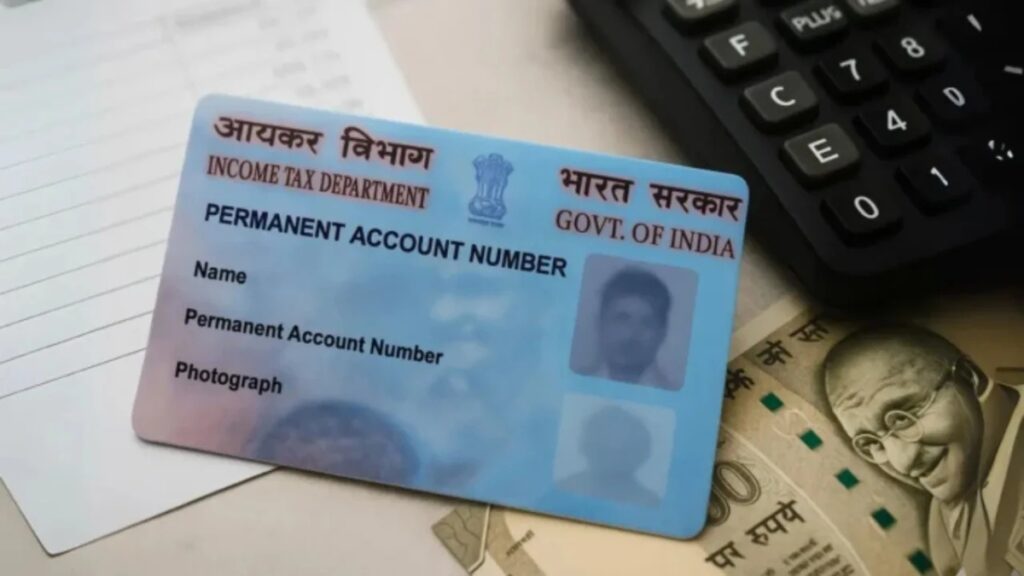
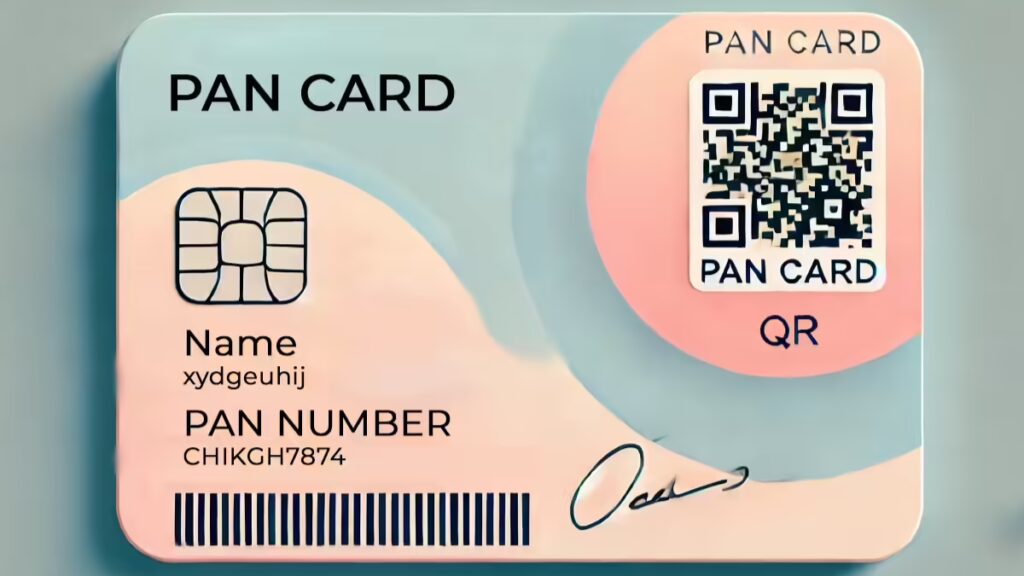
The process of pan card application will also become different. So far, a large number of individuals were allowed to use only their Aadhaar card. However, that will not suffice in the future.
The applicants will be required to provide other documents like Class 10 marksheet or passport. This is a step that is being proposed to reinforce identity verification and minimize fraud. Although it can create an additional obstacle to the process, it also introduces an additional level of security.
LPG, CNG, and Fuel Prices Can Be altered
The common price revisions date in fuel and gas services is also 1 st April. This year is no different. The LPG cylinders, CNG, PNG and even aviation fuel prices can be updated.
These fluctuations have the potential to impact on your day to day outlays. An increase in the price of gas might affect the household budgets, whereas any variation in the price of aviation fuel can affect the cost of flight tickets.

It is becoming increasingly expensive to withdraw money in ATMs
A shift is also being experienced in banking transactions. The cost of ATM withdrawals will also increase slightly after the free limit has been surpassed.
Other banks will begin to include the ATM withdrawals via UPI in the monthly free transaction limit. There is a fee of roughly 23 around the withdrawal after the initial five transactions. This implies that with the cash withdrawals, you might run up your bills without much notice when not done wisely.
Punjab National Bank Updates The Limits of Withdrawals
Punjab national bank has changed significantly to its customers. Daily withdrawal of cash of some debit cards hinged on 50, 000 has been raised to 75, 000.

This is a good step to many of the users. It provides greater customization, particularly to the people who use cash or require an increased limit on withdrawals due to business or personal purposes.
And What These Changes are to you
All these changes indicate a definite direction. The government is making efforts to streamline systems, enhance transparency and ensure financial security. Simultaneously, not all changes will be without slightly raising day-to-day expenses.
The trick is that you need to remain conscious and change your financial routine. It could be that it is time to plan your taxes more efficiently, decrease the number of needless ATM withdrawals, or even prepare your documents in order to apply to PANs, but every small step will help.

Disclaimer: The paper is not a research paper. Depending on the governmental notifications and personal bank policies, rules, tax preferences, and charges can change. One should check information with the official information before making any financial decisions.
Also read:
8th Pay Commission Update 2026: DA Hike, Salary Increase and Arrears News
Gold Price Today 2026: Latest 22K and 24K Gold Rates After Hike