Digital Payment Rules 2026: This may be a surprise to you if you have been making online payments in the same manner over the years. Since April 1, 2026, your process of carrying out digital transactions in India is now safe and a little bit different. What used to be fast and easy by way of an OTP alone now carries an added security measure.
Initially, it might seem to be an additional measure, but such change is meant to secure your hard-earned money against the increasing fraud cases. Your security in payment is also finally growing in a world where scams are becoming more intelligent.

Digital Payment Rules 2026
| Category | New Rule (From April 1, 2026) | Previous System |
|---|---|---|
| Authentication Requirement | Mandatory Two-Factor Authentication (2FA) | Mostly OTP-based verification |
| OTP Usage | OTP + additional verification required | OTP alone was sufficient |
| Second Verification Method | PIN, Password, Biometric, or Secure Token | Not mandatory |
| Fraud Protection | Strong protection against SIM swap and online fraud | Higher risk of OTP-based fraud |
| High-Value Transactions | Extra checks like behavior analysis and confirmation calls | Limited verification |
| Bank Responsibility | Full compensation if security rules not followed | Limited liability |
| Security Level | Multi-layered and more advanced | Basic security |
| User Effort | Slightly increased due to extra step | Faster but less secure |
A Fresh Level of Security in Every Deal
The most significant modification is the implementation of the two-factor authentication of all digital payments. This implies that authenticating a transaction will no longer be the case of receiving an OTP on your phone.

Previously, in case a person had access to your SIM card or controlled a SIM swap fraud, they could use your OTP and finalize transactions. That risk is currently being mitigated through an additional tier of identity verification. This is the additional layer that makes sure that in case one of the security measures is breached, your money is not lost.
OTP Plus One More Step Is Compulsory
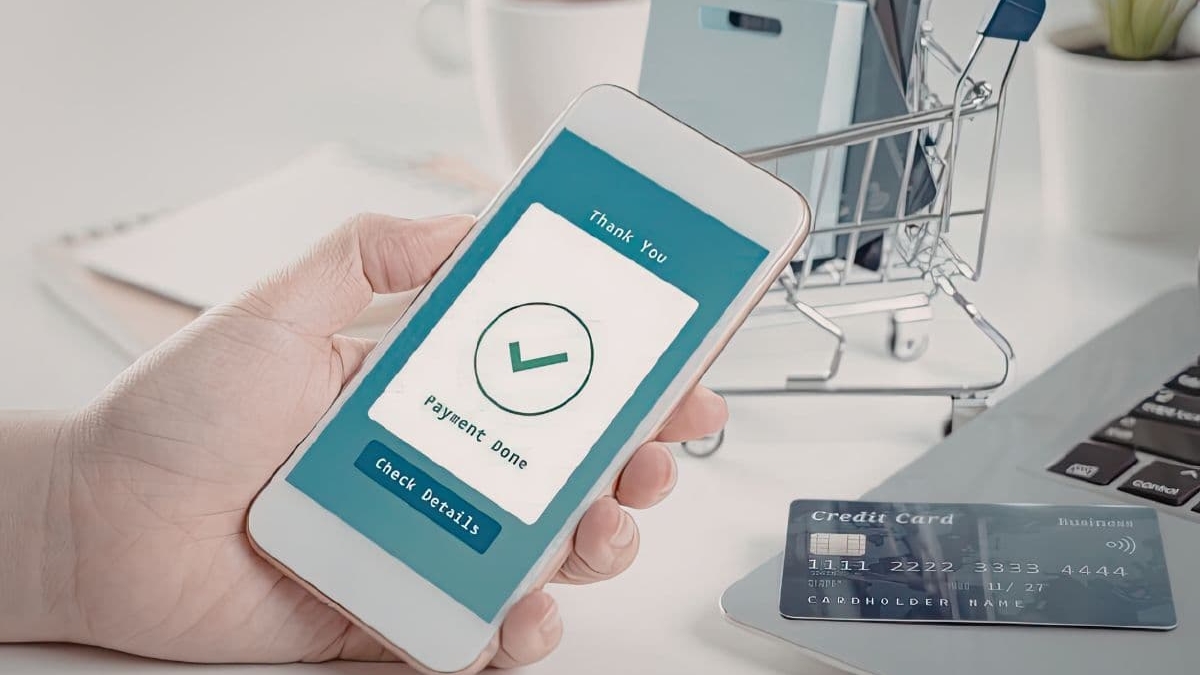
Henceforth, all payments will have to be made in two ways. The OTP is still part of the process, but it will not work alone anymore.

You will be required to authenticate the transaction by another method of password, PIN, fingerprint or facial recognition. Secure tokens also can be employed in certain situations.
Simply stated, your phone will now require you to verify your identity twice before making any payment. This slight modification goes a long way in avoiding fraudsters.
Additional Checks on Large Transactions
The system is even more cautious in matters of large payments. Smarter technology is now used by banks to know how you conduct your transactions.

Before a payment is approved, they can look at your location, device details and past transaction patterns. In case of an unusual appearance, your bank may call to confirm the transaction. This increased alertness is supposed to prevent suspicious activity before it can cause damage.
Banks should be more accountable
Among the most promising news is the fact that banks have never been held as accountable as they are now. In case a financial establishment does not adhere to these new security measures and a client loses money, the bank is the one to blame.
In such cases, the bank will have to provide full compensation. This provides a better feeling of security and trust to the customers as they use digital payment systems.
The Reason This Change is Important to Everyday users
These are not only technical upgrades. They directly influence the safety with which you will be able to use digital payment in your life.


Although a few extra seconds might be involved in processing a transaction, the little effort is like a formidable barrier against fraud. This shift is not necessarily inconvenient; however, in the long term, it is a question of peace of mind. There is no longer an option in favor of stronger security as digital payments increase. It’s essential.
Disclaimer: The article is grounded on the latest revisions and regulatory provisions concerning digital payment provisions that are applicable as of April 1, 2026. The practical application might differ among banks and payment systems. It is recommended that users consult with their banks or official sources in order to get the exact information and updates.
Also read:

Major Financial Changes from April 1, 2026: PAN, Tax Rules & PNB Updates Explained
Noida Jewar Airport Routes 2026: First Flights, Cities List & Booking Details
UIDAI Update 2026: Link Aadhaar with Mobile Number from Home Easily