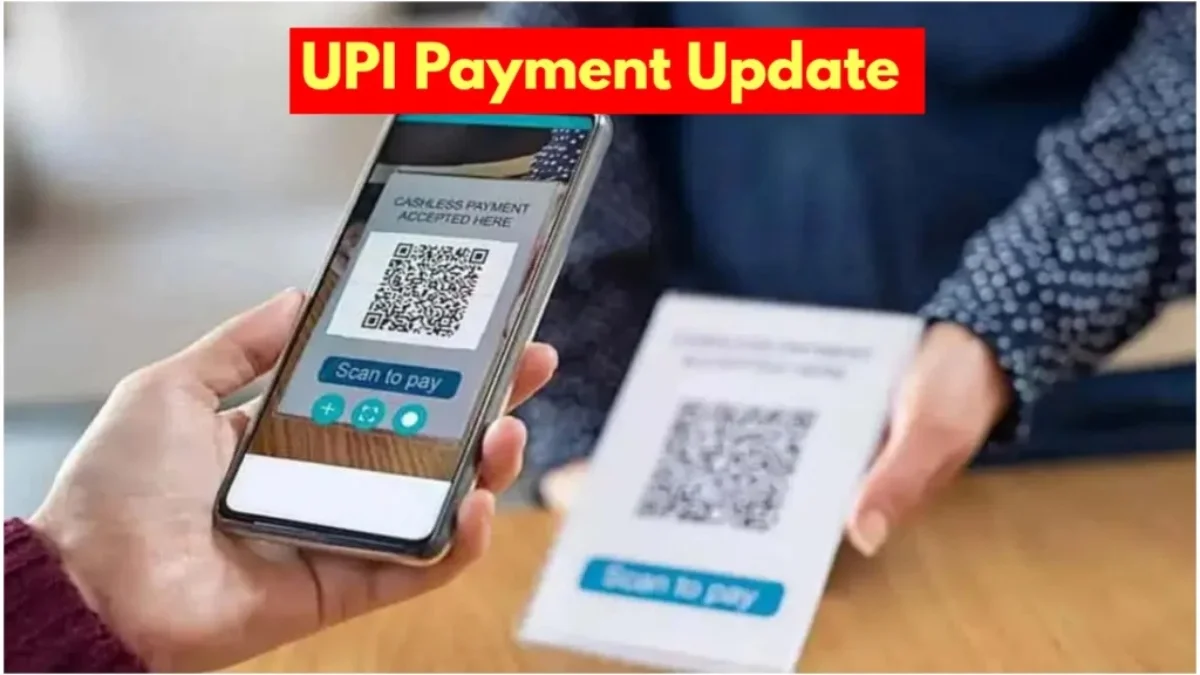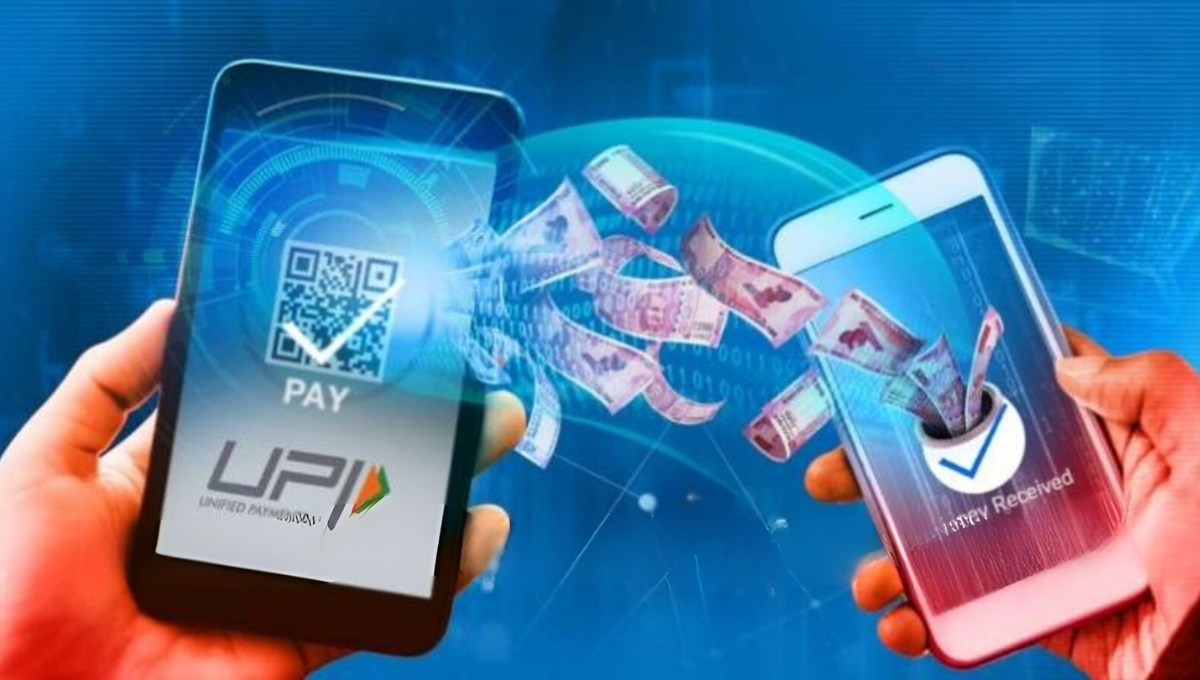
Bank vs UPI: You may have wondered why we send money, pay bills, and recharge our mobile phones every day, and we don’t incur even a single rupee of fees. However, if we transfer money directly from the bank via IMPS or other online transfers, we often incur charges.
This raises the question: if UPI is free, where do companies like Google Pay, PhonePe, and Paytm make their money? The truth is, UPI is free, but it’s not a completely non-profit system. The method of earning is simply a little different and more sensible.

Why is UPI free and why do banks charge?
The Bank vs UPI system was created to promote digital payments in India. The government and NPCI wanted people to adopt cashless payments as much as possible. Therefore, no fees are charged to users for UPI transactions.
On the other hand, when banks offer IMPS or other online transfer services, they incur expenses on their technology, servers, security, and operations. To cover these costs, they charge a service charge. But UPI apps aren’t banks themselves; they act as platforms that connect banks and customers. This is why their revenue streams are different.
Massive Revenue from Merchant Payments
When you make a payment to a shop, website, or business using UPI, companies often earn revenue. Large merchants and online platforms charge fees for payment gateway services, technical support, and settlement.

This means that payments are free for users, but businesses are charged a service charge. This is the companies’ strongest source of revenue.
Revenues from Recharges, Bill Payments, and Financial Services
You may have noticed that these apps offer services like mobile recharges, electricity bills, gas bills, insurance, ticket booking, and more.
Companies earn commissions on these services. When you access a service through the app, the service provider pays a percentage to the company. These small commissions add up to significant revenue.

Earning Big Money from Loans, Insurance, and Investments
These days, these apps aren’t just payment apps. They also offer small loans, credit lines, insurance, and investment options.
When a user takes out a loan or purchases insurance through them, the app receives a commission from the bank or finance company. This is why companies constantly show you such offers.
The power of data and user base also becomes a source of income
These apps have millions of users. This huge number is a strength in itself. This allows companies to form partnerships, run brand promotions, and establish business tie-ups.
Many companies also earn money by showing ads on their apps. Showing offers and promotions based on user behavior has also become a major business model.

The real game is not free services, but building ecosystems
The truth is that these companies’ goal isn’t just to transfer money. They want your entire financial life to be contained within their apps. When you do everything through the same app, they continue to earn revenue through various services. Therefore, keeping UPI transfers free is an investment for them, not an expense.
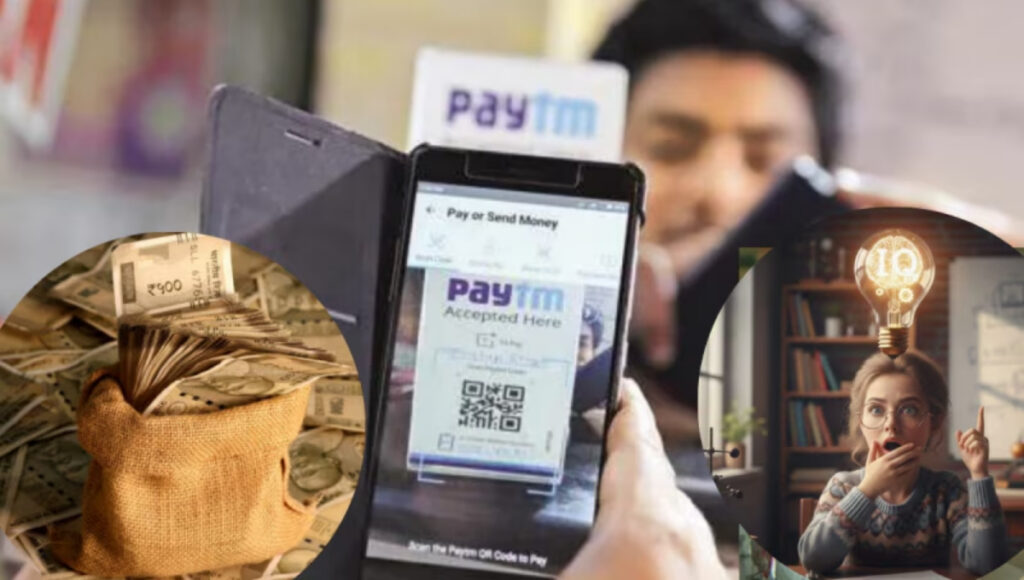
UPI is certainly free for users, but companies generate significant revenue through business, commissions, partnerships, financial services, and advertising. So, you continue to receive free services while their business continues to grow. This is the true strategy of digital payments.
Disclaimer: This article is for general information purposes only. The information provided is based on information from various public sources and the workings of digital payment systems. Please check the official terms and conditions of the respective service provider before making any financial decisions.

Also read:
Yuzvendra Chahal’s Dance: at Shikhar Dhawan’s Wedding Goes Viral Online
Yash’s Toxic Music: Rights Sold to Zee Music Ahead of March 19 Release

PM Kisan 22nd Installment Date 2026: Check ₹2000 Payment Status