Hardoi Dalit Woman Case: Even a simple request for help at times becomes a painful experience. A woman who simply wanted a safe home under a government scheme, in a disturbing case in Uttar Pradesh, says that she was treated with humiliation rather than support.
The case has now found its way up to the courtroom, and this has brought up great concerns as to whether there is fairness and dignity in the services offered to the people.

An Hope of Shelter becomes Misery
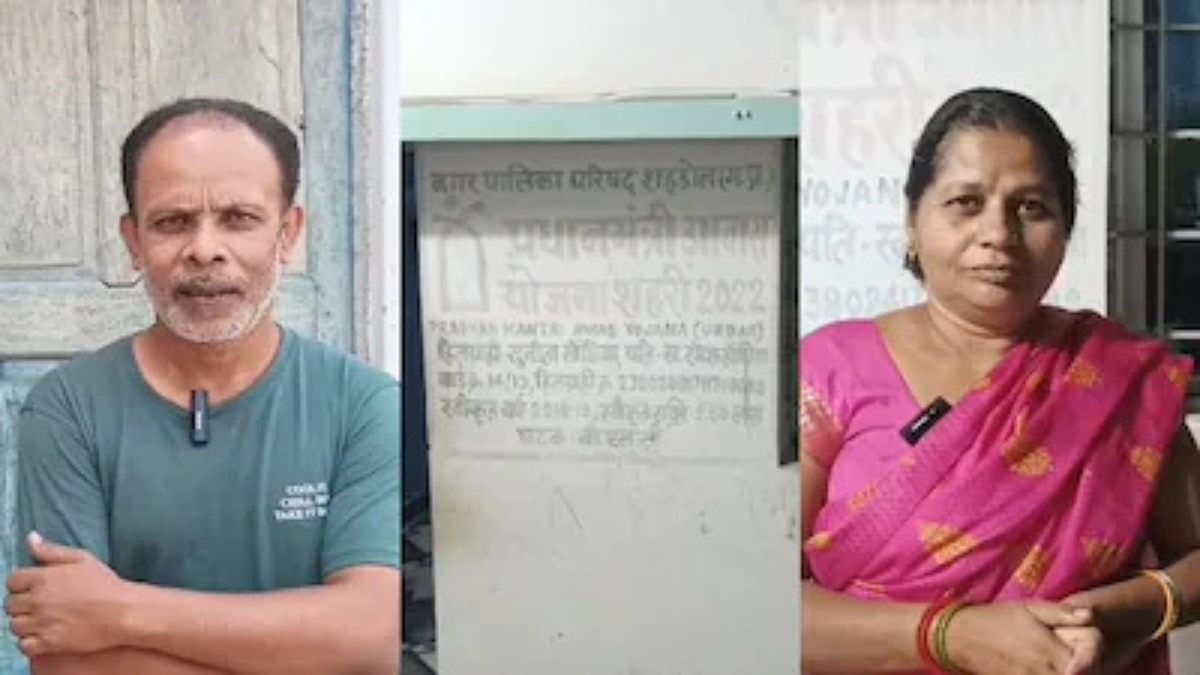
The Hardoi Dalit Woman Case district and a woman by the name Rameshwari was applying to get a house under Pradhan Mantri Awas Yojana (Gramin). She was said to be entitled to the scheme in 202324 and had been hoping that it would at last provide her with a decent roof over her head.
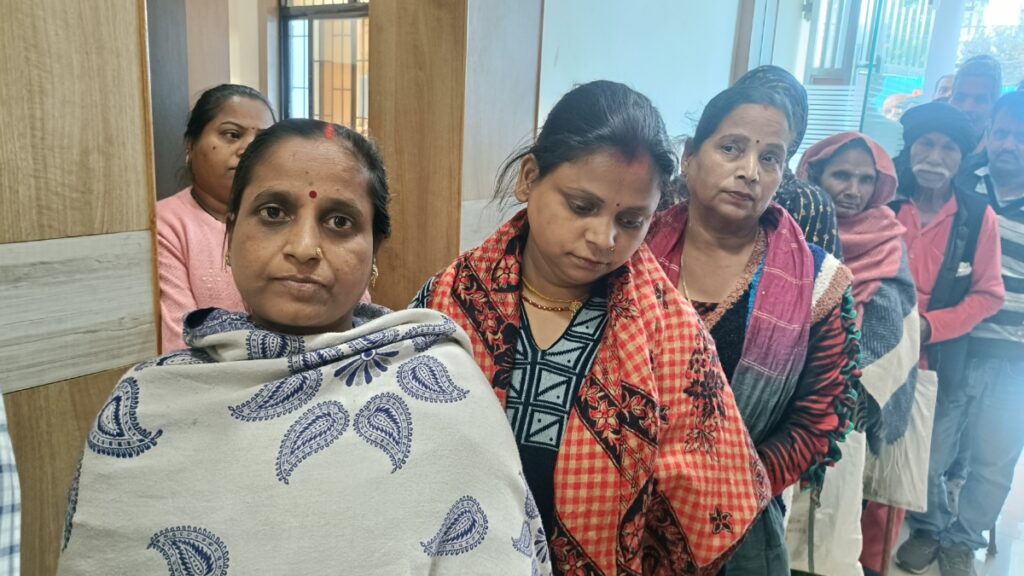
Although she was qualified, she did not get the benefit and was still living in a temporary and shaky house. Her struggle did not end with just waiting. She paid a number of visits to the local block office, where she asked the officials to look at her application and assist her get what she deserved.
Claims of Insult and Discrimination
The complaint said that she was not listened to but rather was met by unrespectful officials. According to the woman, caste-based statements were directed towards her and that she was humiliated and requested to vacate the office.

Such assertions, when confirmed, point to a very troubling aspect, which transcends administrative procrastination and moves into the realm of discrimination and decency. She felt powerless and resorted to justice by means of the law and filed a complaint in the SC-ST Court.
Court Does Not Take the Matter Lightly
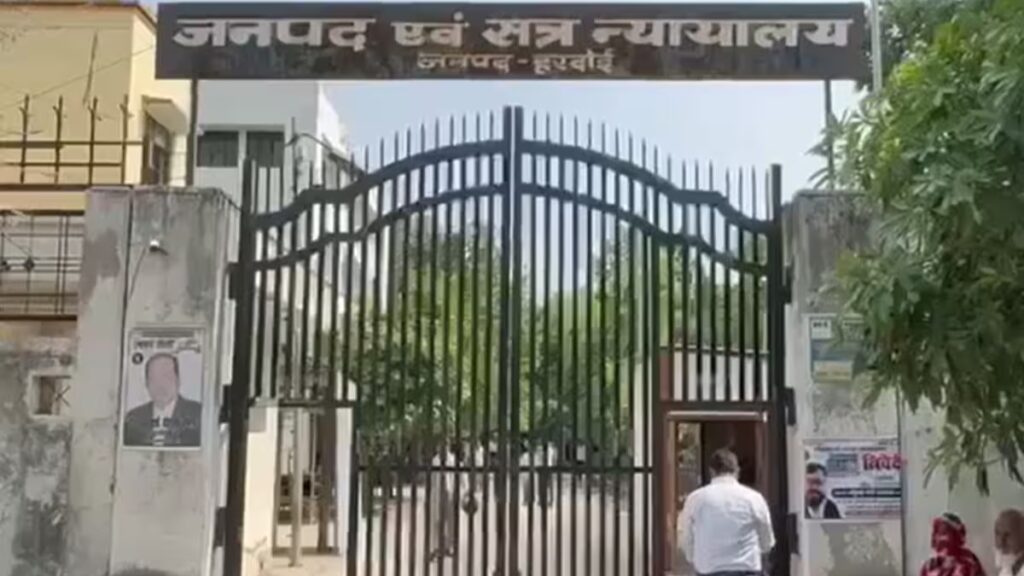
The Special SC-ST Court has been tough in consideration of how grave the accusations are. The court has invited four officials including the then Block Development Officer, and other interested authorities. They have been instructed to report to the court before April 25 with all the necessary documents and give their version of the story.
This move by the court is an indication that such complaints are being handled with seriousness that they require, particularly where it touches on matters of social justice and equality.

A Notice on Rights and Accountability
This is yet another occasion where the need to make sure that the government schemes are distributed to the individuals they are targeting without any bias or unnecessary delays is highlighted. It also brings out the issue of accountability among the officials charged with the responsibility of implementing these programs.
Schemes such as Pradhan Mantri Awas Yojana are not merely a piece of paper but an actual opportunity of a better life to many families. When such assistance becomes unavailable or abused, not only individuals will be impacted but also trust people will have in the system.
Justice Process Underway
Authorities have asserted to have gotten the summons in court and will provide their records and reactions on the specified date. With the legal process underway, every one will be scrutinizing the proceedings of the case and the inferences made.
At least, in the meantime, the case remains a strong reminder that all people must be respected and treated fairly and equally and receive equal opportunities to be supported by the government, no matter how their backgrounds may be.

FAQs
Q1. So what is the Hardoi Dalit woman case?
A Dalit woman complained about insult and refusal of housing benefits.
Q2. Which scheme did the woman apply for?
She had applied under Pradhan Mantri Awas Yojana Gramin housing scheme.
Q3. What has the court done in the case?
Four officials were summoned to court, and requested to show some documents.

Q4. What are the allegations made by the woman?
She claimed caste abuse, humiliation, and deprivation of benefits.
Q5. Is the case proven?
No, case open to the law, decision pending.
Disclaimer: This article is premised on the reported information and allegations in the case. The case is still in the legal stage and the conclusivity will be based on the verdict of the court. All the above-named persons are assumed innocent until proven guilty under the law.

Also read:
Digital Payment Rules 2026: OTP Not Enough, New RBI 2FA Rules Explained
Income Tax Portal 2026: 5 Easy Features to Save Time & Avoid Errors
Digital Payment Rules 2026: OTP Not Enough, New RBI 2FA Rules Explained