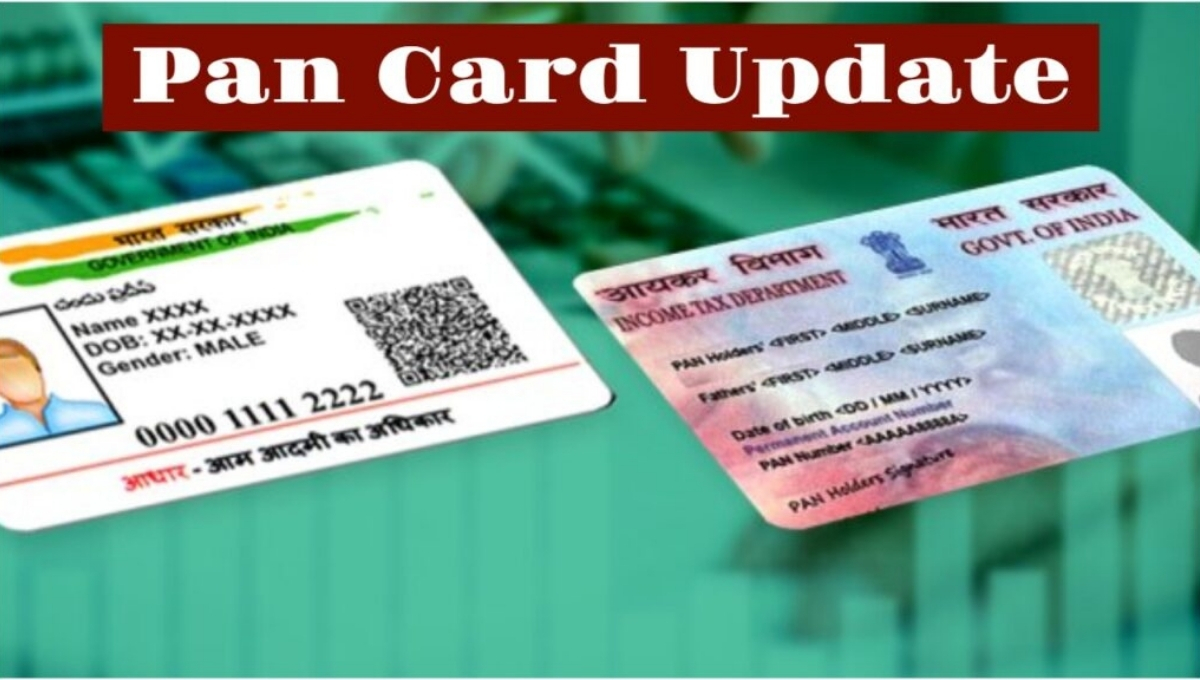
PAN Card New Rules: The tax regulations in India are continuously changed at the top to suit the common man and make the system more transparent. However, another important amendment has now been created that is especially pertinent to the individuals purchasing and selling homes, plots, or land.
New income tax regulations will become effective in the country since April 1, 2026, and in conjunction with them, another rule that is connected with PAN cards will also be introduced. This shift would be a big relief particularly to the people living in smaller cities and those who purchase low cost properties.

PAN Card New Rules from April 1, 2026
| Rule Type | Current Rule | New Rule (From April 1, 2026) |
|---|---|---|
| PAN Requirement Limit | PAN card required for property transactions above ₹10 lakh | PAN card required only for transactions above ₹20 lakh |
| Transactions Below Limit | PAN card mandatory if property value exceeds ₹10 lakh | No PAN card required if property value is below ₹20 lakh |
| Benefit | More paperwork for small property deals | Easier transactions for small buyers and sellers |
| Applicable Areas | Same rule applied everywhere | Relief mainly for small towns and low-value property markets |
| Gifted Property | PAN required depending on transaction value | PAN required if gifted property value is ₹20 lakh or more |
| Joint Development Agreements | PAN required based on property value | PAN required if property value is ₹20 lakh or more |
| Purpose of Rule | Track property transactions through PAN | Reduce paperwork while still tracking large transactions |
No PAN card necessary on properties less than 20 lakh
As per the new proposed rule, no PAN card will be needed in a transaction involving a plot, house, or flat below 20 lakh after April 1, 2026.
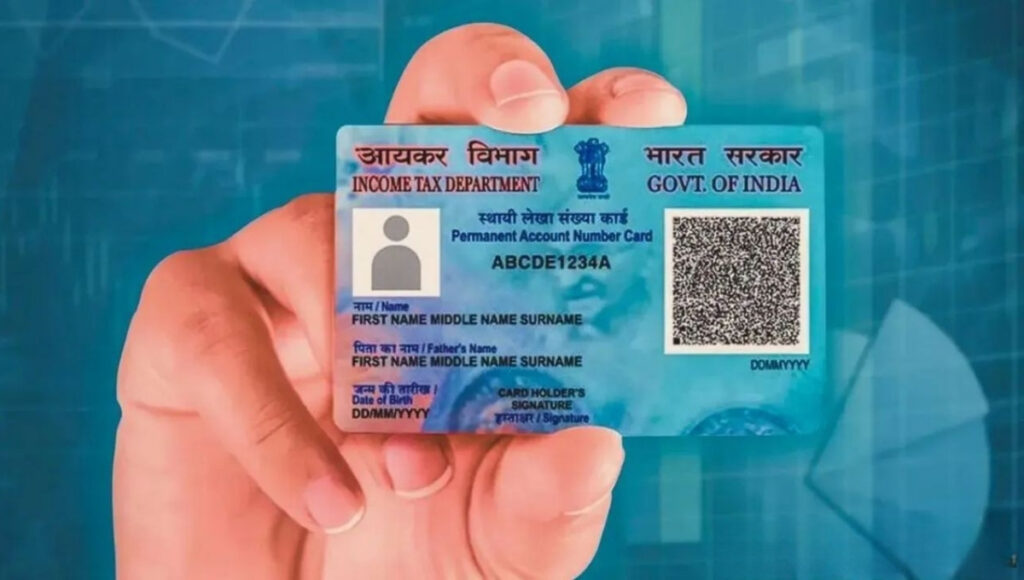
According to the existing policies, transactions involving property of more than 10 lakh are to be accompanied by a PAN card. But with the new system in place, this will be raised to ₹20 lakh.
This merely indicates that the only individuals having transactions of property worth between 10 lakh and 20 lakh will not need to get a PAN card as was previously the case. This will facilitate the acquisition of small scale property.

Relief to Small Cities and An average family
In most of the smaller cities and towns in the country, property prices are still very low. In there the land or small houses can be bought or sold at 10-20 lakh.
These people will be able to purchase or sell property easier without having to do so many papers as the new rules implement. This might simplify the process of owning homes by the middle-income and the low-income families.
The government is of the view that property prices have gone up in the recent years. So, it is deemed that increasing the former limit to ₹20 lakh will be a very practical move given the present market.

Gifts and joint developments will also be covered by the rule
The new regulations will not be restricted to the usual buying and selling. This principle will be used also in case property is given as a gift or under a joint development agreement.
Nevertheless, when the assessed worth of such property is much higher than the 300000 rupees, submission of PAN card will remain obligatory. This will make the tax department have information on huge property transactions and will be transparent.
Big property transactions will be still required to have PAN card
One should also learn the fact that the new rule does not fully abandon the PAN card. In case a property is priced at 20 lakh or above, the transaction will still require the supply of a PAN card.
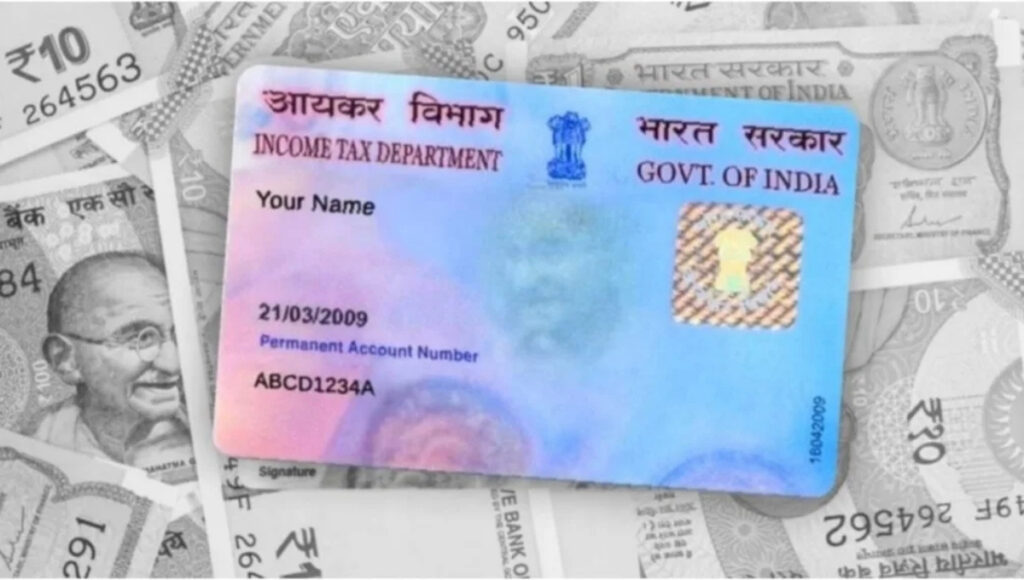
This will assist the Income tax department to track property deals of high magnitude and see that the cash used to buy a property is in tandem with the income earned by the individual.

Disclaimer: This paper is written according to the existing information and the suggested regulations. Depending on the official notification issued or final rules issued by the Income Tax Department, alterations can be made. You need to check with the government site or an expert before making any decision concerning money or property.
Also read:
EPFO Interest Rate 2025-26: 8.25% PF Interest Approved for 7 Crore Account Holders.

Share Market Update: Sensex Crosses 80,000 Again, Nifty Surges
Senior Citizen FD Rates 2026: Banks Offering Up to 8% Interest