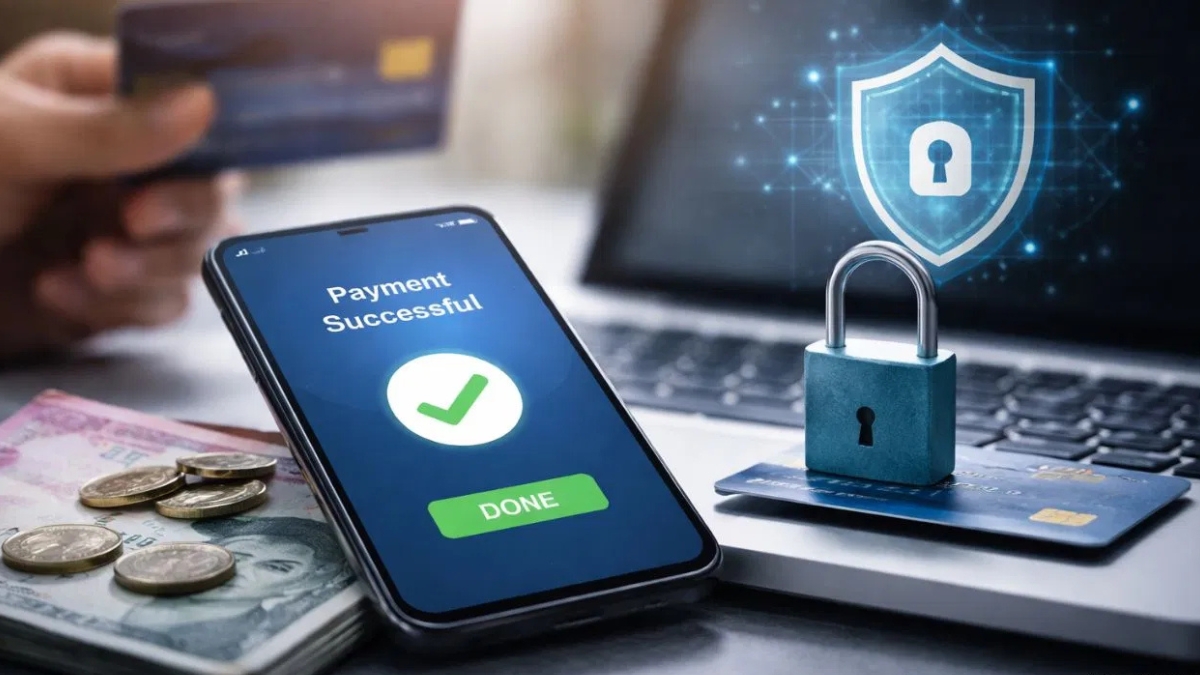
RBI New Online Payment Rules 2026: If you’ve been relying on just a PIN or OTP to complete your online payments, things are about to change in a big way. From April 1, 2026, digital payments in India will feel a lot safer and a little more secure, thanks to new rules introduced by the Reserve Bank of India.
These changes are designed to protect your hard-earned money from rising online fraud and make every transaction more trustworthy.

RBI New Online Payment Rules 2026
| Feature | Old System (Before April 2026) | New System (From April 2026) |
|---|---|---|
| Authentication Method | PIN or OTP | Two-factor authentication mandatory |
| Security Level | Basic | High with double-layer protection |
| Biometric Requirement | Not required | Fingerprint or Face ID required |
| OTP Usage | Main verification method | Secondary, not fully reliable alone |
| Dynamic Verification | Not available | Mandatory for every transaction |
| Fraud Protection | Limited | Strong with advanced monitoring |
| Risk-Based Checks | Not applied | Applied based on transaction risk |
| Bank Responsibility | Limited liability | Full compensation if system failure occurs |
| International Payments | Same rules as domestic | New rules apply by October 2026 |
| User Safety | Moderate | Much higher and more secure |
A New Era of Double Security for Every Payment
Starting April 2026, every online transaction will require two layers of verification. This means your payment will not go through with just a PIN or OTP anymore. You will need an additional layer of identity confirmation, which could include biometric verification like your fingerprint or face recognition.
The idea behind this move is simple. With fraud cases increasing, a single layer of protection is no longer enough. By adding an extra step, the system ensures that even if someone gets access to your PIN or OTP, they still cannot complete the transaction without your physical identity.
Biometric Verification Becomes a Key Part of Payments
One of the biggest changes in the new system is the use of biometric authentication. This includes fingerprint scanning or face recognition, which adds a personal layer of security that cannot be easily copied or stolen.

Another important part of this update is dynamic verification. This means at least one authentication method will change with every transaction. So even if someone somehow gets your previous details, they cannot reuse them for future payments. This makes the entire system much stronger and more reliable.
Why OTP Alone Is No Longer Considered Safe
For a long time, OTP was seen as a secure way to verify payments. But over the years, cybercriminals have found ways to intercept or trick users into sharing OTPs. This has led to many cases where people lost money despite following basic safety steps.
With the new rules, the system will use risk-based authentication. This means it will automatically decide how strict the verification should be based on the transaction. Larger or suspicious payments will go through stricter checks, adding another layer of protection.

Banks Will Be Responsible If Fraud Happens
One of the most reassuring parts of this new rule is the accountability it brings. If a fraud happens due to a failure in the security system, the bank or payment company will be responsible for compensating the customer.
This shift puts pressure on financial institutions to keep their systems updated and secure at all times. For users, it brings a sense of confidence knowing that their money is better protected and that they won’t be left alone in case something goes wrong.
Changes Will Also Apply to International Transactions
While these rules will come into effect in India from April 2026, they will gradually be extended to international online payments by October 2026. This ensures that your transactions remain secure not just within the country but also when making payments abroad.

This move by the Reserve Bank of India is a strong step towards making digital payments safer for everyone. While it may add an extra step during transactions, it is a small effort compared to the peace of mind it brings.

As digital payments continue to grow, stronger security is not just important, it is necessary. These new rules are a reminder that convenience should never come at the cost of safety.
Disclaimer: The information provided in this article is based on official announcements and current reports available at the time of writing. Implementation details may vary depending on banks, payment platforms, and future updates. Users are advised to check with their respective banks or official RBI notifications for complete and updated guidelines.
Also read:

BSEB Class 10th Result 2026: Check Bihar Board Matric Score by Roll Number & Roll Code
CBSE 10th Result 2026: Middle East Special Assessment Scheme Explained
Vivo X300 Ultra 5G: 400MP Camera, Snapdragon 8 Elite Gen 5 Leaks